The impact of temperature on milk.
Bactericidal and hemolytic effect on microorganisms is attributed to lysozyme - a factor capable of dissolving nucleic acids. A natural factor that destroys bacteria, and especially streptococci, There is a lacthenin protein fraction, thanks to which the development of milk bacteria is inhibited in oxygen conditions for a long time.
Fresh milk shows acidity within pH 6.5— 6,7. Human milk is more alkaline - pH 7.0-7.2.
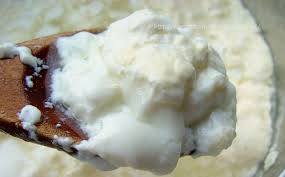
With slow and even acidification during milk fermentation, milk passes from the state of zol. A further phenomenon is gel shrinking and secretion of whey. Milk sliding is caused by the precipitation of free casein, which in fresh milk creates a comprehensive connection with calcium - calcium caseinate.
When reducing pH of milk to 4,5 Calcium goes into calcium lactate, And casein, due to the loss of the electric charge. In fresh milk at a pH of 6-6.7, casein behaves like an anion and can connect with the rules, and at a pH lower than 4,5 acts as a cation and can combine with acids. The acid gel is the basis for making cottage cheese.
Another way of cutting casein is to use a lieutenant, under which slightly heated milk is cut without clear acidity changes.
Milk supplied by commercial plants is usually pasteurized and normalized to an even fat content 2.0-2.5%, and full -fat milk to 3,2%. The traditional way of fixing milk by boiling leads to a decrease in the biological value of milk as food. While raw milk, Despite compliance with strict hygiene requirements, It is not a safe food, As a result, the thermal way of fixing has been used for over fifty years, called pasteurization.