Water
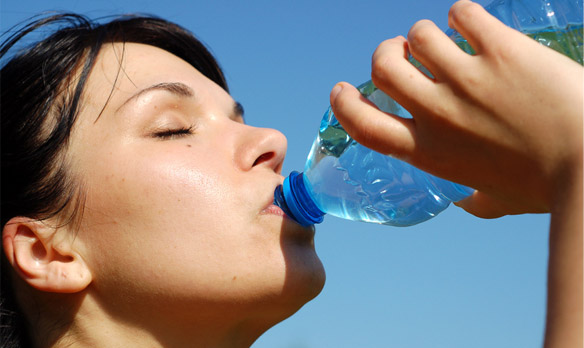 Water absorption occurs in the duodenum, in the small and thick intestine. From the intestine, the water penetrates into the arterial bloodstream, But first he must go through portal circulation and liver. Solid foods are also a source of water. It is worth recalling, that the most popular vegetarian products, such as … Zobacz
 Folacyna (vitamin M)- is a common name for folic acid and compounds of derivatives of pteroiloglutamic acid, showing similar biological activity as folic acid. Folacin is a component of enzymes M,in. important for the transformation of some amino acids (Seyns in glycine, Histidine in glutamic acid, homocysteiny w …
  Vitamin B6 (Parydoksyna) - this name covers a group of natural pyrinum compounds, which undergo mutual transformations in the body and have equal physiological effects. They belong here: pirydoksal, Piydoksamina, Parydoksyna. This last relationship occurs mainly in plant products. We know, że witamina B6 …
  Vitamin B1 – a właściwie jej biologicznie czynna postać — pirofosforan — pełni funkcję grupy prostetycznej wielu enzymów uczestniczących głównie w przemianie pośredniej węglowodanów. With thiamine deficiency, whose amount in the fluid of the system increases. Charakterystyczne dla …
  Vitamin D – plays a role in the regulation of calcium-phosphorus management. Among other things, it facilitates intestinal calcium absorption and affects the bone mineralization process. Vitamin D occurs in two basic forms D2 (ergocalc -digit) i D3 (cholekalcyferol). Pierwsza powstaje także pod wpływem promieni ultrafioletowych …
  Vitamins
 Proteins belong to the most complex group of organic compounds. They are made up of amino acids, which are connected with large molecules with the help of peptide bonds. These are bonds of amine groups and carboxyl groups - nh—. Amino acids, which were currently separated by around 20 with different structure, …
  Fat in food acts as a conveyor for fat -soluble vitamins, i.e.. A. D, E, K, and also provides necessary unsaturated fatty acids (EFA). These functions can be fulfilled, jeżeli w pożywieniu znajduje się dziennie co najmniej 12—25 g odpowiednich …
 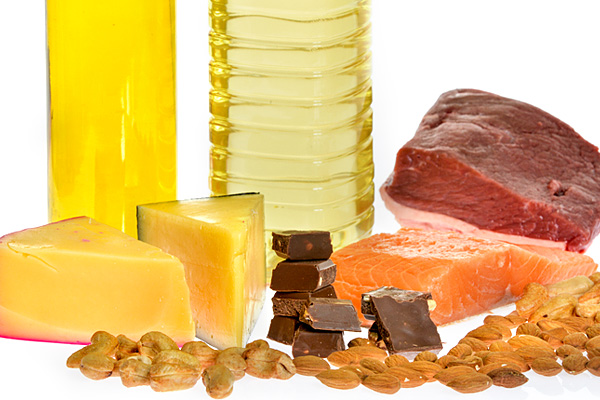 Fats are a large group of organic compounds found in plant and animal tissues. Fat intake increases as the wealth of society increases, from which also shows a number of undesirable health consequences.
 In recent years, medicine and physiology of human nutrition devotes a lot of attention to fiber. This name includes a group of carbohydrates that are part of cell membranes and plant support tissue.