Pasteurization and sterilization of milk.
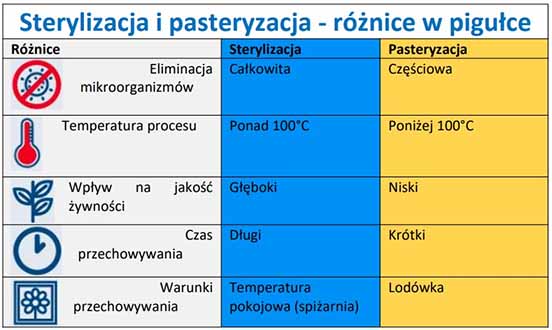
Pasteurization should completely destroy the pathogenic microflora and 99% saprophilic microorganisms, without lowering the biological value of milk.
There are three ways of pasteurization:
1) low, otherwise long -lasting, It involves maintaining quickly heated milk at 63-65 ° C within 20— 30 minute,
2) short -term - maintenance of milk at 72 ° C for 15-20 s,
3) Momental - quick heating of milk to a temperature OK. 90° C and cooling as soon as possible.,
The short -term pasteurization system is currently commonly used in practice, tj. Fast heating to 72-73 ° C and maintaining in this heat 15-20 s.
Sterilization of milk consists not only in the destruction of vegetative forms of bacteria, but also their interrupts. There are different ways of sterilization, np. at 120 ° C within 10-15 minutes.
Currently, milk heating is most often used to 130-135 ° C and maintaining at this temperature for a few seconds. With a momentary way of sterilizing milk, the sterile background system and homogenization prevent the accumulation of fat when storing sterilized milk.
In the preparation of sterilized milk, you cannot achieve full sterility during bottles of bottles, So the commercial durability of sterilized milk is taken for a period of 2-4 weeks. Such milk is determined by the abbreviation UHT (ultra high temperature), Polish equivalent - durable milk.